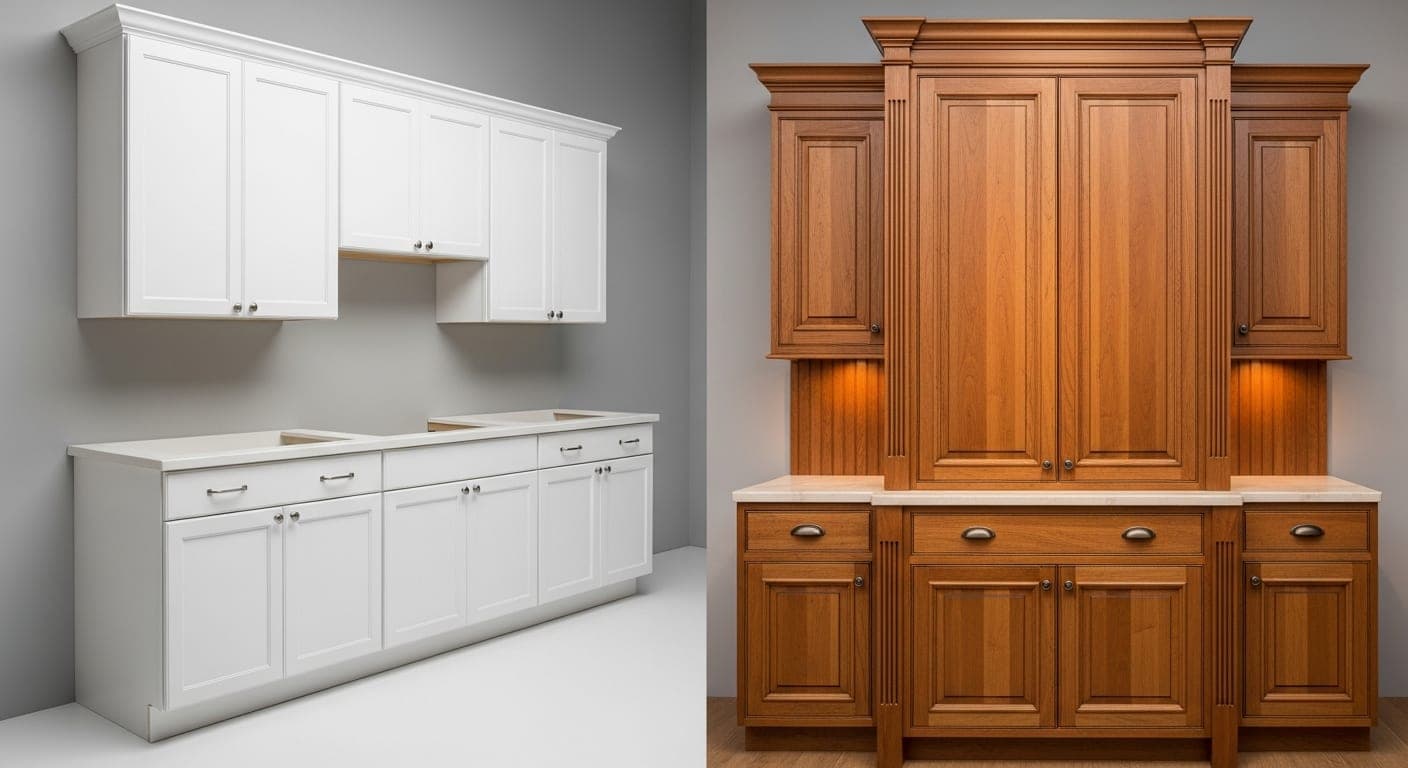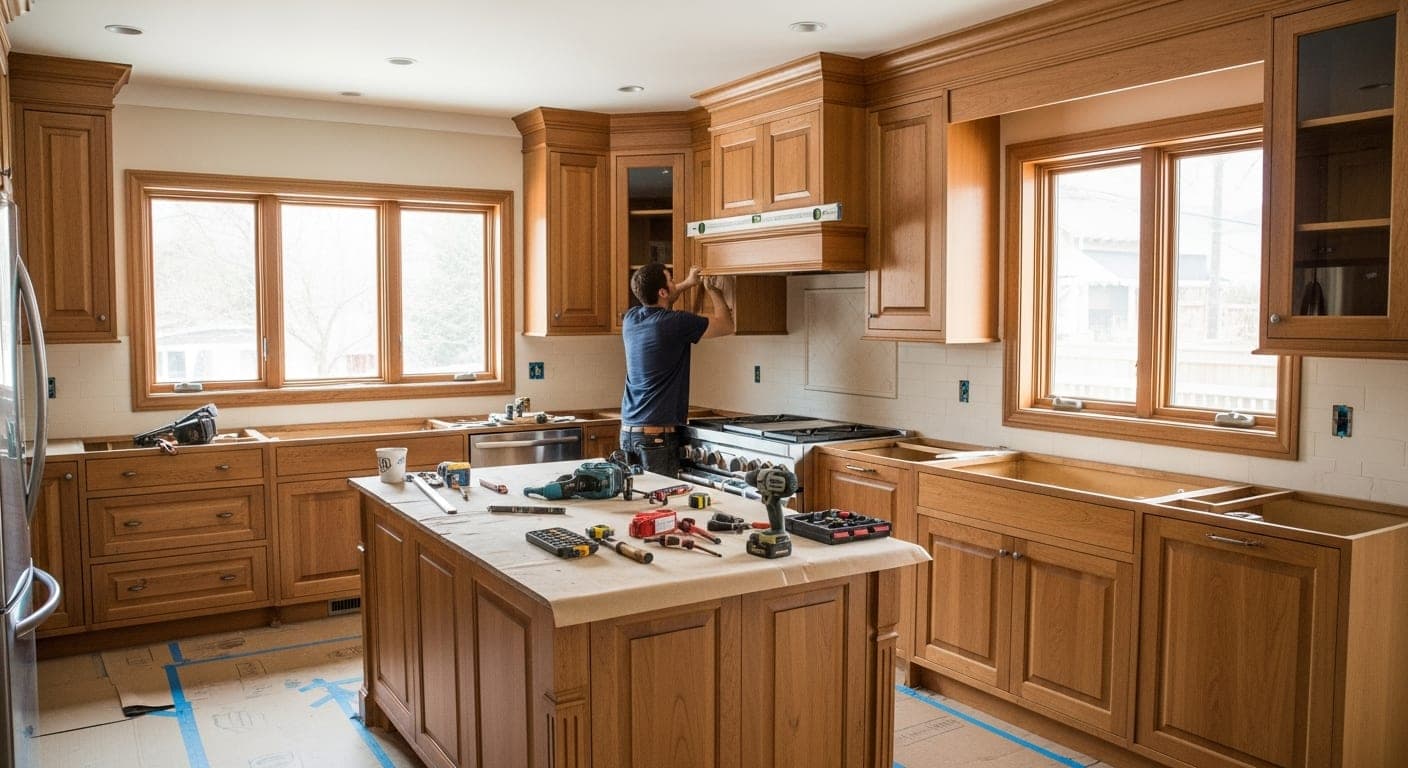
Selecting a custom cabinet maker is one of the most important decisions in a kitchen renovation. The company you choose will design, build, and install the single most expensive component of your kitchen. A great cabinet maker delivers a result that exceeds your expectations and lasts for decades. A poor choice can mean delays, quality issues, and costly corrections.
Toronto has dozens of cabinet makers ranging from one-person shops to established manufacturers with full factory operations. This guide outlines the criteria that separate reliable, skilled professionals from the rest.
Check Their Track Record
Experience matters in custom cabinetry. A company that has been operating for ten, twenty, or thirty years has survived market downturns, supply chain disruptions, and the constant pressure to maintain quality. Longevity is not a guarantee of excellence, but it is a strong indicator that the company delivers on its promises consistently enough to sustain a business.
Ask how many projects they have completed and in what types of homes. A cabinet maker with extensive experience in Toronto's specific housing stock -- century homes, post-war bungalows, modern condos -- understands the unique challenges each type presents. They have encountered out-of-plumb walls, uneven floors, unusual layouts, and building restrictions before and know how to handle them.
Request a portfolio of completed projects. Look for kitchens that resemble yours in scope, style, or budget. A company that primarily builds high-end kitchens in new construction may not be the right fit for a condo renovation, and vice versa. The portfolio should demonstrate range, consistency, and attention to detail.
Visit Their Factory or Request a Mobile Showroom
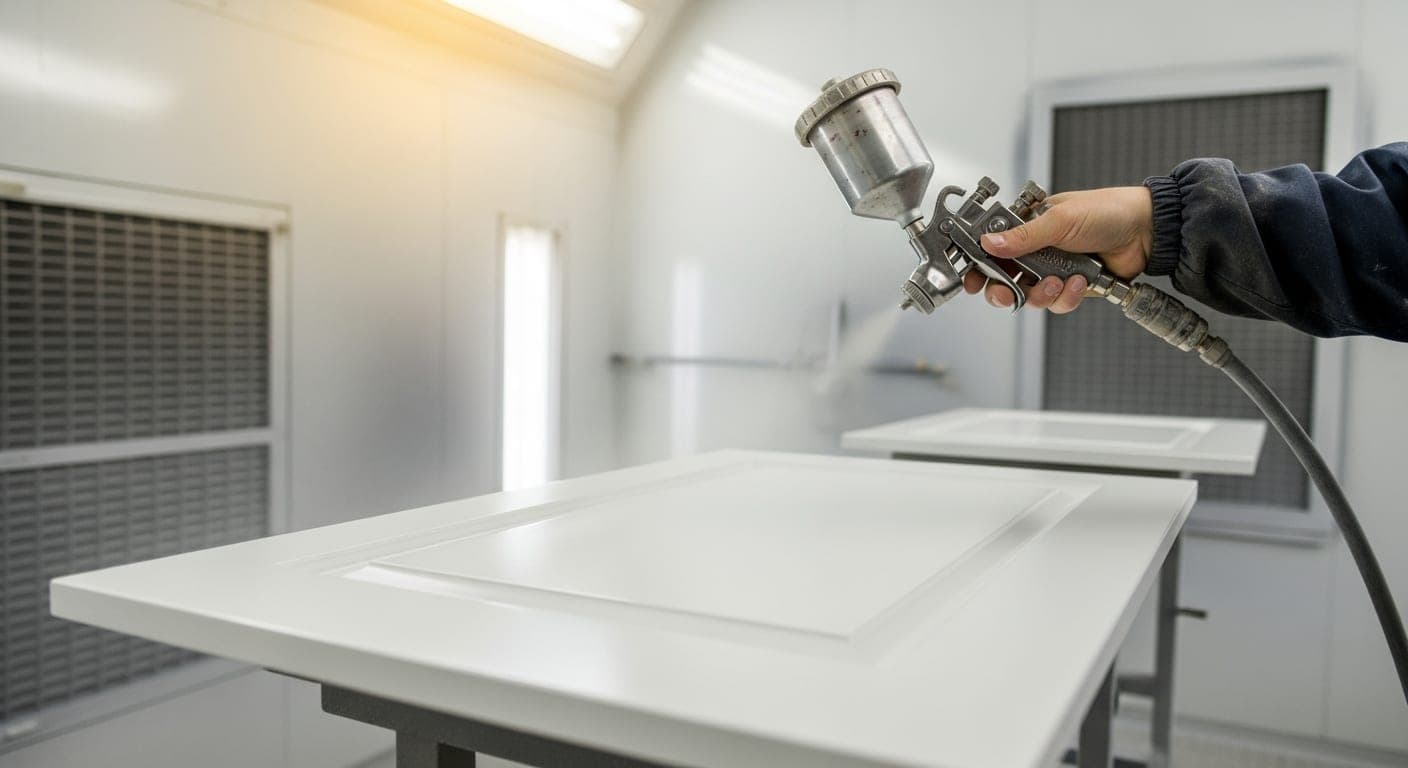
Where and how your cabinets are made tells you more than any sales presentation. A factory visit allows you to see the equipment, materials, and craftsmanship firsthand. Look for CNC machinery, a dedicated spray booth for finishes, organized material storage, and a clean, professional environment.
If a factory visit is not practical, some manufacturers offer a mobile showroom service, bringing material samples, door styles, hardware, and finish options directly to your home. This is valuable for two reasons: you can see and feel the actual materials rather than looking at pictures, and you can evaluate them in the lighting conditions of your own kitchen.
A company that invites you behind the scenes, whether to the factory or through a mobile showroom, demonstrates confidence in their product and processes. Be cautious of companies that are reluctant to show you how their cabinets are built.
Understand Their Process
A professional cabinet maker has a defined process that covers every stage from initial consultation through installation and follow-up. Ask about each step:
- Consultation: Is it free? How long does it take? What information do they gather?
- Measurement: Who takes the measurements? What tools do they use? How do they handle irregularities in the space?
- Design: Do they provide CAD drawings? How many revision rounds are included? Is the design fee separate from the project cost?
- Manufacturing: What is the typical lead time? Where is the factory? What materials and construction methods do they use?
- Installation: Do they use their own installation crew or subcontractors? How long does installation take? Who is your point of contact during installation?
- After-sale: What happens if something needs adjustment after installation? How quickly do they respond to warranty claims?
A clearly defined process indicates a company that has refined its operations over many projects. Vague or inconsistent answers suggest a less mature operation. You can review our process for an example of what a thorough design-to-installation workflow looks like.
Look for Industry Certifications
Industry memberships and certifications indicate a commitment to professional standards and continuing education.
NKBA
The National Kitchen and Bath Association is the leading professional organization for the kitchen and bath industry in North America. NKBA members commit to a code of ethical business practices and have access to industry-leading design standards and guidelines. NKBA membership is voluntary, which makes it a meaningful signal of professional commitment.
NKBA-certified designers have completed rigorous education and examination requirements covering kitchen design principles, building codes, material science, and project management. Working with an NKBA member provides assurance that your kitchen will be designed according to established ergonomic and functional standards.
BILD
The Building Industry and Land Development Association represents the building, land development, and professional renovation industry in the GTA. BILD membership indicates that a company operates within the standards and practices recognized by the broader building industry in Toronto.
For homeowners, a cabinet maker's BILD membership provides an additional layer of accountability. BILD members are expected to operate professionally, honour commitments, and resolve disputes in good faith.
Read Reviews Across Multiple Platforms
Online reviews provide insight into a company's real-world performance, but they must be evaluated carefully. Read reviews on multiple platforms - Google, Houzz, HomeStars, and any industry-specific directories. Look for patterns rather than individual outliers.
Consistent praise for quality, timeliness, communication, and professionalism is a strong positive signal. Similarly, recurring complaints about delays, poor communication, or quality issues should be taken seriously even if the overall rating is acceptable.
Pay attention to how the company responds to negative reviews. A professional response that acknowledges the issue and describes how it was resolved demonstrates accountability. Defensive or dismissive responses suggest a company that does not handle problems well.
Ask the cabinet maker for references from recent projects. Speaking directly with past clients gives you the most honest assessment of what it is like to work with the company. Ask specific questions: Was the project completed on time and on budget? How did the company handle unexpected issues? Would you use them again?
Red Flags to Watch For
Knowing what to avoid is as important as knowing what to look for. Be cautious of the following.
No physical factory or showroom. A company that cannot show you where cabinets are made may be a reseller or importer rather than a manufacturer. There is nothing inherently wrong with importing, but you should know what you are buying and who stands behind the warranty.
Unusually low pricing. If a quote is significantly lower than others for the same scope of work, investigate why. Lower prices often mean inferior materials, overseas manufacturing, inexperienced labour, or hidden costs that appear later. Quality custom cabinetry has real costs that cannot be eliminated without compromising the product.
Vague or incomplete quotes. A professional quote should itemize every component: cabinet boxes, doors, hardware, finishes, countertops (if included), and installation. A single lump-sum number without a breakdown makes it impossible to compare quotes meaningfully or understand where your money is going.
No warranty or vague warranty terms. Reputable cabinet makers stand behind their work with specific, written warranty commitments. Look for a lifetime warranty on hardware and a multi-year warranty on finishes (five years is a reasonable benchmark). Verbal promises without written documentation offer no real protection.
Pressure to commit quickly. A legitimate cabinet maker will give you time to consider your options, compare quotes, and make a confident decision. High-pressure sales tactics, artificial urgency, and "limited-time" pricing are signs of a company more interested in closing a sale than earning your trust.
No insurance or proper licensing. Ask for proof of liability insurance and Workers' Compensation Board (WSIB) coverage. A company without proper insurance exposes you to liability if a worker is injured on your property or if damage occurs during installation.
Poor communication. How a company communicates during the sales process is indicative of how they will communicate during your project. If calls and emails go unreturned, questions receive incomplete answers, or commitments are not honoured during the quoting phase, expect worse during production and installation when the company already has your deposit.
The Bottom Line
Choosing a cabinet maker is a decision that affects your daily life for years or decades. Take the time to research thoroughly, visit showrooms or factories, read reviews, and ask detailed questions. The right cabinet maker will welcome your scrutiny because they know their work speaks for itself.
What a Quality Consultation Should Look Like
The first consultation with a cabinet maker reveals a great deal about how the rest of the project will unfold. A quality consultation is thorough, transparent, and focused on understanding your needs rather than pressuring you into a commitment. Knowing what to expect - and what to watch out for - helps you evaluate whether a company deserves your trust and your investment.
A quality consultation begins in your home, not in a showroom. While showroom visits have their place, the most valuable first meeting happens in the actual space where your cabinets will be installed. An experienced cabinet maker comes to your kitchen, studies the layout, notes the architectural conditions, and discusses your goals in the context of the real environment. At Apico, this in-home visit includes a mobile showroom stocked with physical samples of door styles, wood species, hardware, and finish options. You can hold a shaker door in painted MDF next to your backsplash tile, compare a walnut sample against your flooring, and test the feel of Blum soft-close hardware - all in the lighting conditions of your own kitchen.
During the visit, the cabinet maker should take detailed measurements of the space, including wall lengths, ceiling heights, window and door positions, plumbing locations, and any irregularities such as out-of-plumb walls or uneven floors. These measurements form the foundation of the design and pricing. A company that provides a quote without measuring the space is guessing, and guesses lead to surprises later.
A transparent consultation includes an honest discussion about budget. A reputable cabinet maker will ask about your budget range early in the conversation - not to judge, but to ensure that the design recommendations align with what you are prepared to invest. At Apico, we provide a general pricing estimate based on this initial conversation, giving you a realistic sense of cost before you commit to anything. This ballpark allows you to make informed decisions about scope, materials, and priorities before the detailed design work begins.
By contrast, a poor consultation experience has recognizable warning signs. If the company refuses to visit your home and insists that all discussions happen in their showroom, they may be more interested in controlling the sales environment than understanding your space. If no physical samples are available - only photographs or digital renderings - you cannot evaluate the actual quality of materials and finishes. If the consultant pressures you for an immediate deposit, creates artificial urgency with "limited-time" pricing, or becomes evasive when asked about construction methods, hardware brands, or warranty terms, these are signals that the company prioritizes closing a sale over earning your confidence. A cabinet maker who has invested decades in building a reputation - as Apico has since 1997 - welcomes your questions and takes the time to answer them thoroughly, because they know their work will speak for itself long after the consultation ends.
Ready to start your kitchen project with a trusted Toronto cabinet maker? Learn more about us or request a free consultation to discuss your custom cabinetry project.