The most common question homeowners ask when considering a kitchen renovation is some variation of "how much will this cost?" It is a fair question, and unfortunately, the answer is rarely straightforward. Custom kitchen pricing in Toronto depends on dozens of variables, from the size of the space and the materials selected to the complexity of the layout and the quality of the hardware.
This guide provides realistic pricing information for 2026 based on current material costs and labour rates in the Greater Toronto Area. The goal is to give you enough detail to set a practical budget before you begin requesting quotes.
Average Cost of a Custom Kitchen in Toronto (2026)
Custom kitchens in Toronto typically range from $7,000 to $70,000 or more. That is a wide range, so it helps to break it into tiers.
Entry-level custom ($7,000 to $15,000): A compact kitchen, often in a condo or smaller home. Simple door styles, standard finishes, and efficient layouts. Even at this level, you benefit from made-to-measure sizing, quality construction, and proper hardware.
Mid-range custom ($15,000 to $35,000): The most common range for GTA homeowners. Includes higher-end materials, more complex layouts, premium finishes, and upgraded countertops. This is where most homeowners find the balance between their design ambitions and their budget.
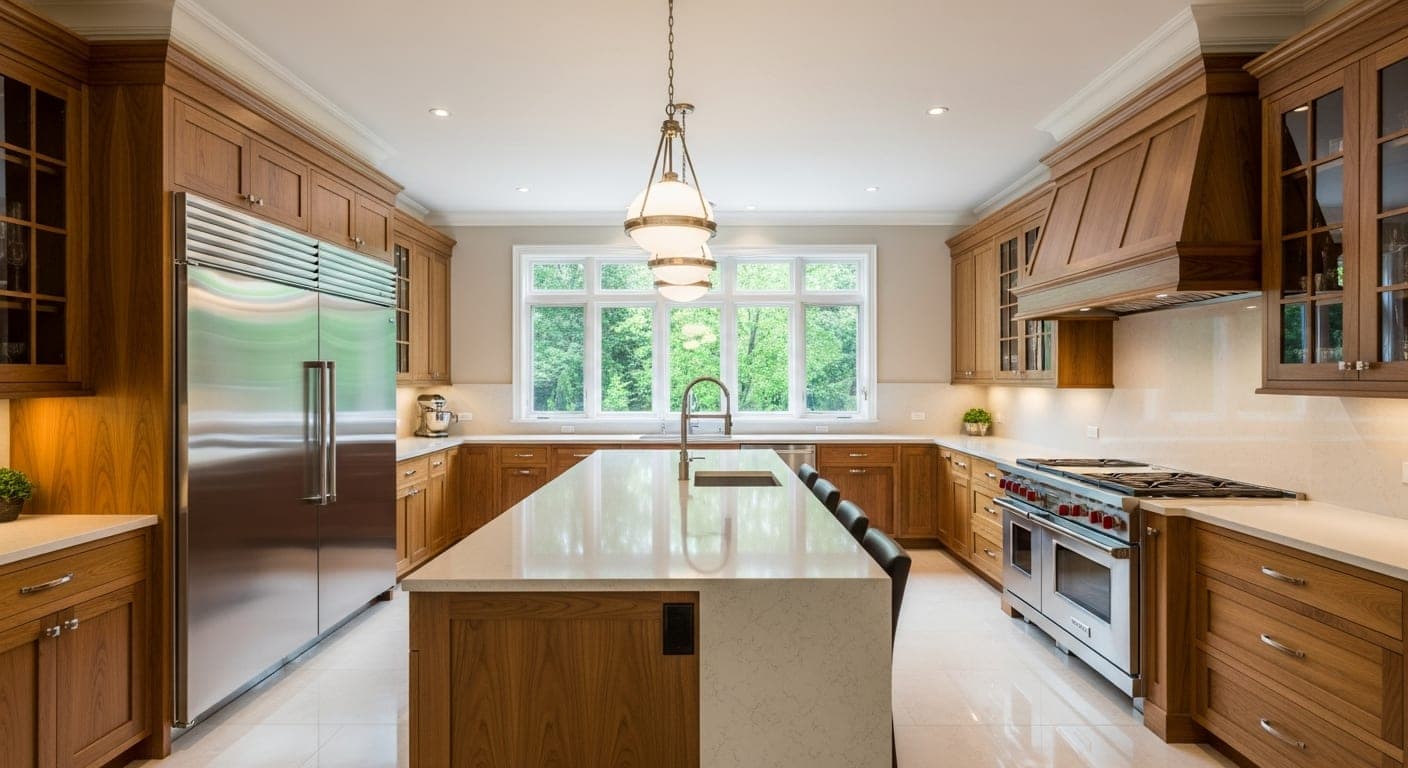
High-end custom ($35,000 to $70,000+): Large kitchens with premium materials such as exotic hardwoods, premium-grade paint finishes, natural stone countertops, and advanced hardware systems. Often includes custom islands, integrated appliance panels, and specialized storage solutions.
These figures cover cabinetry and installation. Countertops, appliances, plumbing, electrical, and flooring are separate line items that can add $10,000 to $40,000 or more to the total project cost.
What Affects the Cost?
Understanding the cost drivers helps you make informed trade-offs during the design process.
Materials
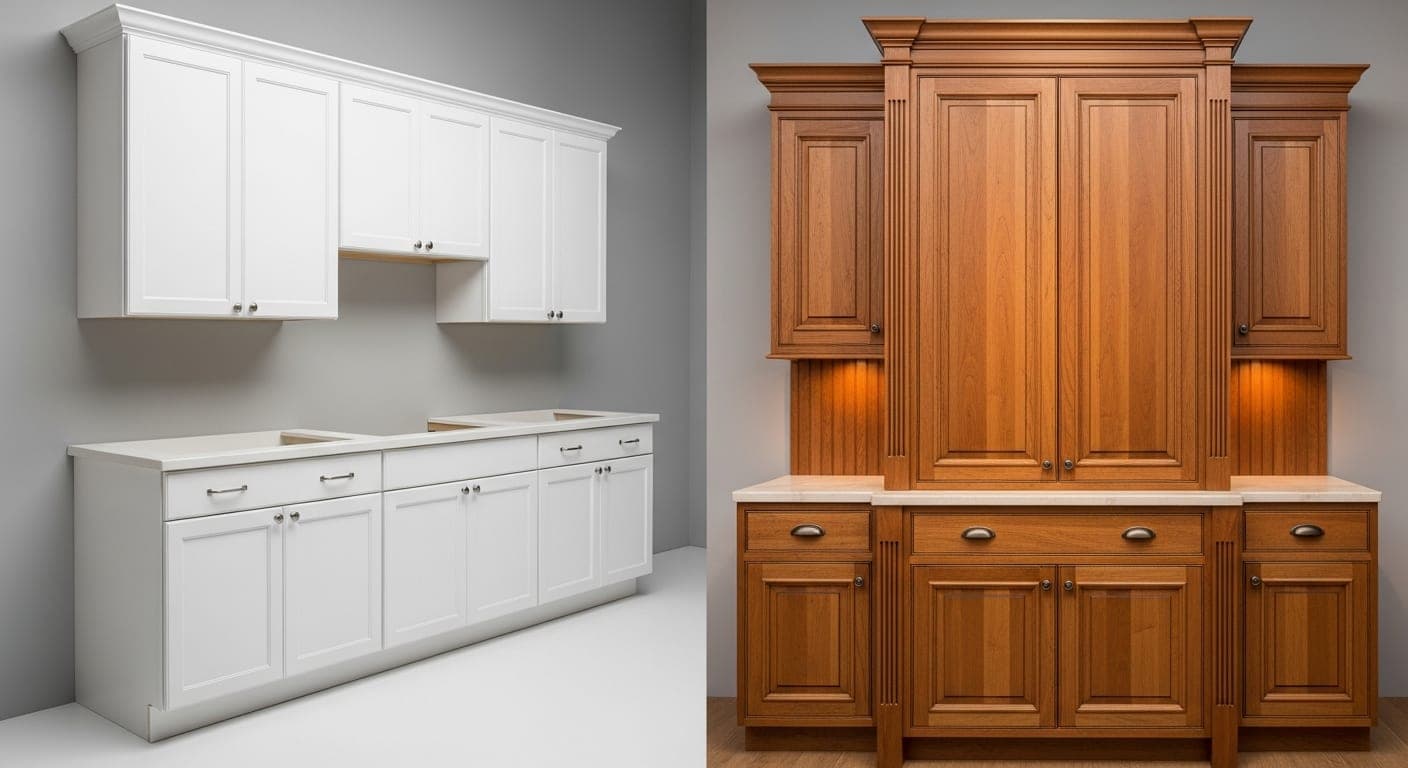
The material used for cabinet boxes and doors is one of the largest cost variables. Plywood box construction is more expensive than particleboard or MDF but offers superior durability and moisture resistance. For door fronts, painted MDF is more affordable than solid hardwood. Exotic wood species like walnut, cherry, or zebrano carry a premium over domestic maple or birch.
Size and Layout
A galley kitchen with 10 linear feet of cabinetry costs considerably less than an open-concept kitchen with 30 linear feet of cabinets, an island, and a pantry wall. The number of cabinets, their dimensions, and the overall footprint of the kitchen directly impact pricing.
Finishes
Finish quality varies significantly. A basic stain or thermofoil finish sits at the lower end. Mid-range options include quality lacquer and standard paint colours. At the premium end, professional cabinet-grade coating systems deliver an exceptionally smooth, durable finish with precise colour matching and superior resistance to chipping and yellowing. Glazing, distressing, and multi-step finish processes also add cost.
Countertops
Quartz and granite are the most popular countertop choices for custom kitchens in Toronto. Laminate countertops start around $30 to $60 per square foot installed. Quartz typically runs $60 to $120 per square foot. Natural granite ranges from $50 to $150 per square foot, depending on the stone. Marble and quartzite can exceed $200 per square foot for premium selections.
Hardware
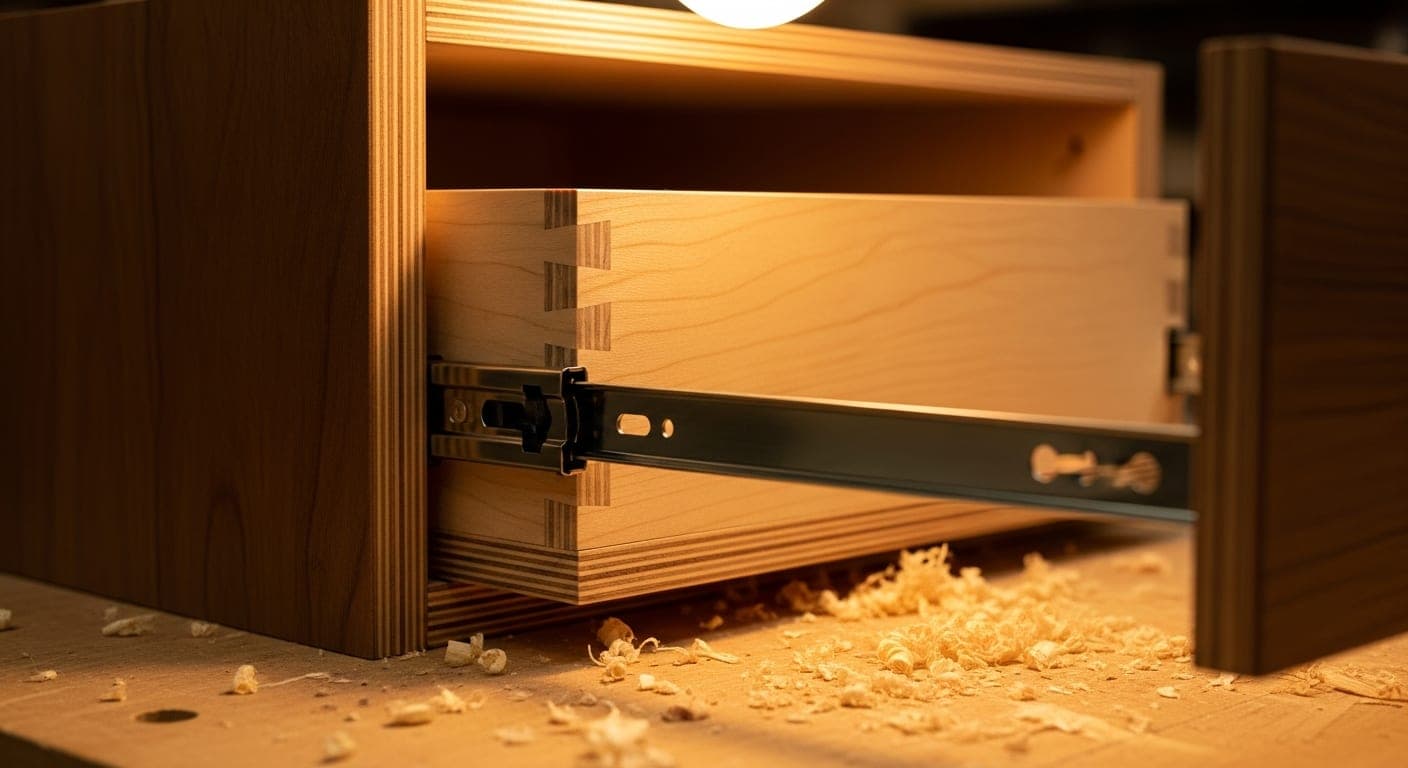
Hardware encompasses hinges, drawer slides, and functional accessories. Standard soft-close, full-extension hardware is a baseline expectation in quality custom cabinetry. Upgrades such as electric auto-open mechanisms from manufacturers like Blum, pull-out waste systems, drawer organizers, and corner cabinet solutions add to the total.
Complexity
Angled cabinets, curved elements, integrated lighting, appliance panels, and custom range hoods all increase complexity and cost. Similarly, kitchens in older Toronto homes often require additional work to address out-of-level floors, non-square walls, and outdated plumbing or electrical that needs relocation.
Semi-Custom vs. Full Custom Pricing
It is useful to understand how semi-custom and fully custom compare on price. Semi-custom cabinets from reputable manufacturers typically fall in the $8,000 to $25,000 range for an average Toronto kitchen. They offer good quality and some flexibility, but modifications work within the manufacturer's predefined options.
Fully custom cabinetry starts at a similar price point for straightforward projects and scales upward with complexity and material choices. The key advantage of full custom is that nothing is compromised to fit a catalogue. Every dimension, material, and detail is specified for your exact space.
For kitchens with standard layouts and dimensions, the price difference between semi-custom and fully custom may be modest. Where the gap widens is in non-standard spaces, premium materials, and complex designs where semi-custom options simply cannot accommodate the requirements.
It is also worth noting a surprising Price Parity in the Toronto market: local semi-custom cabinetry is often the same price as high-end big-box store options, but with much higher structural density and superior hardware. By skipping the retail markups and overseas freight of big-box 'premium' lines, you can often afford a significantly better local product for the same budget.
How to Budget for Your Kitchen Renovation
A realistic budget accounts for more than just cabinetry. Here is a general framework for allocating a total kitchen renovation budget in Toronto.
Cabinetry: 35 to 45 percent of total budget Countertops: 10 to 15 percent Appliances: 15 to 20 percent Labour (plumbing, electrical, general contracting): 15 to 25 percent Design, permits, and contingency: 5 to 10 percent
Using this framework, a $50,000 total renovation budget would allocate roughly $17,500 to $22,500 for cabinetry. A $100,000 total budget would allocate $35,000 to $45,000.
Always include a contingency of at least 10 percent. Toronto renovations frequently uncover surprises behind walls, particularly in older homes. Having a financial cushion prevents these discoveries from derailing the project.
Getting the Most Value for Your Investment
Maximizing value does not mean choosing the cheapest option. It means spending strategically so that every dollar contributes to a kitchen that functions well and lasts.
Invest in construction quality. Plywood boxes, dovetail drawer construction, and quality hardware are the bones of your kitchen. These elements determine how well your cabinets perform over 20 or 30 years. Soft-close, full-extension hardware should be standard, not an upgrade.
Be strategic with materials. You do not need exotic hardwood on every surface. Many homeowners use a premium material for visible elements like a feature island or glass-front uppers and a more affordable but still durable material for standard lower cabinets.
Prioritize storage design. A well-designed kitchen with thoughtful interior organization often costs less than a kitchen with more linear footage but poor layout. Pull-out shelves, deep drawer bases instead of base cabinets with shelves, and corner solutions like magic corners or lazy Susans dramatically improve daily usability.
Choose a manufacturer with a track record. The warranty behind your cabinets matters. Look for lifetime warranties on hardware and multi-year warranties on finishes. A manufacturer with decades of experience and a substantial portfolio of completed projects in the GTA provides confidence that the quality will match the quoted price. Review our process to understand what a thorough design and manufacturing workflow looks like.
Think long term. A custom kitchen built with quality materials and proper construction will serve your household for decades. It also adds measurable resale value to your home. In Toronto's real estate market, a well-executed custom kitchen is one of the strongest investments you can make.
For a detailed breakdown of the renovation timeline, read How Long Does a Kitchen Renovation Take?
Common Budgeting Mistakes to Avoid
Even well-researched homeowners make budgeting errors that can derail a kitchen renovation or lead to disappointing compromises partway through the project. Being aware of these common mistakes will help you plan more effectively and avoid unpleasant surprises.
Underestimating countertop costs. Countertops are one of the most frequently underbudgeted items in a kitchen renovation. Homeowners often focus on cabinetry pricing and treat countertops as an afterthought, only to discover that a quality quartz or granite surface for a mid-sized kitchen can cost $5,000 to $12,000 or more. Natural stone options like marble and quartzite can push that figure even higher. Research countertop pricing early in your planning process and include it as a defined line item in your budget rather than a vague estimate.
Not budgeting for installation and related trades. The price of your cabinets is not the price of your kitchen. Installation, plumbing relocation, electrical work, painting, flooring repairs, and demolition of the existing kitchen are all separate costs that add up quickly. In Toronto, labour costs for skilled trades have risen steadily, and failing to account for these expenses can leave you with beautiful cabinets and no budget to install them properly. A comprehensive quote from a manufacturer like Apico includes installation, but you still need to budget separately for plumbing, electrical, and any structural work.
Choosing cheap hardware that fails within two years. It is tempting to save money on hinges and drawer slides, but hardware is the mechanical heart of your kitchen. You interact with it dozens of times per day, and low-quality hardware degrades quickly. Doors begin to sag, drawers stick, and soft-close mechanisms stop functioning. Replacing hardware after the fact is disruptive and often more expensive than specifying quality hardware from the start. Soft-close, full-extension hardware from manufacturers like Blum should be considered a baseline requirement, not an optional upgrade. Apico includes this hardware as standard on every project, backed by a lifetime warranty.
Not including a contingency fund. Toronto renovations, particularly in older homes, routinely uncover issues behind walls and under floors: outdated wiring, plumbing that does not meet current code, water damage, or structural deficiencies. A contingency fund of at least 10 to 15 percent of your total budget provides a financial cushion for these discoveries. Without it, you are forced to either cut scope from your kitchen design or take on unexpected debt to address problems that cannot be ignored.
Making material decisions in a showroom instead of at home. The lighting conditions in a kitchen showroom or home improvement store are nothing like the lighting in your kitchen. A cabinet colour or countertop sample that looks perfect under commercial fluorescent or LED lighting can appear entirely different in your home's natural and artificial light. This mismatch leads to disappointment and, in some cases, costly changes after production has begun. Apico addresses this directly with a mobile showroom service that brings door samples, wood species, finish options, and hardware to your home. Evaluating materials in the actual space where they will be installed gives you confidence that your choices will look exactly as you expect, every day.
Considering a custom kitchen for your Toronto home? Request a free consultation to discuss your project and receive a detailed quote based on your specific space, materials, and design goals. Learn more about our custom kitchens and what makes them a lasting investment.