The layout of your kitchen determines how efficiently you can cook, clean, entertain, and move through the space. A well-chosen layout makes a kitchen feel larger and more functional than its square footage might suggest. A poorly chosen one creates bottlenecks, wasted space, and daily frustration.
Toronto's housing stock presents a unique set of layout challenges. Century homes with narrow footprints, post-war bungalows with galley kitchens, suburban homes with open-concept aspirations, and downtown condos with compact floor plans all demand different approaches. This guide covers the most common kitchen layouts and explains which ones work best for the types of homes found across the GTA.
L-Shaped Kitchens
The L-shaped layout places cabinets along two adjacent walls, forming a right angle. It is one of the most versatile kitchen configurations and works well in both small and large spaces.
In an L-shaped kitchen, the work triangle between the sink, stove, and refrigerator is naturally efficient. The open side of the L creates space for a dining table, an island, or simply room to move. Upper and lower cabinets along both walls provide ample storage.
This layout is particularly well-suited to Toronto's semi-detached and detached homes where the kitchen occupies a corner of the main floor. It accommodates standard appliance configurations and allows for a pantry cabinet at one end of the L.
For homeowners who want an island but have limited space, the L-shaped layout is often the best starting point. Even a narrow island or a mobile prep cart can be added to the open area without compromising traffic flow.
U-Shaped Kitchens
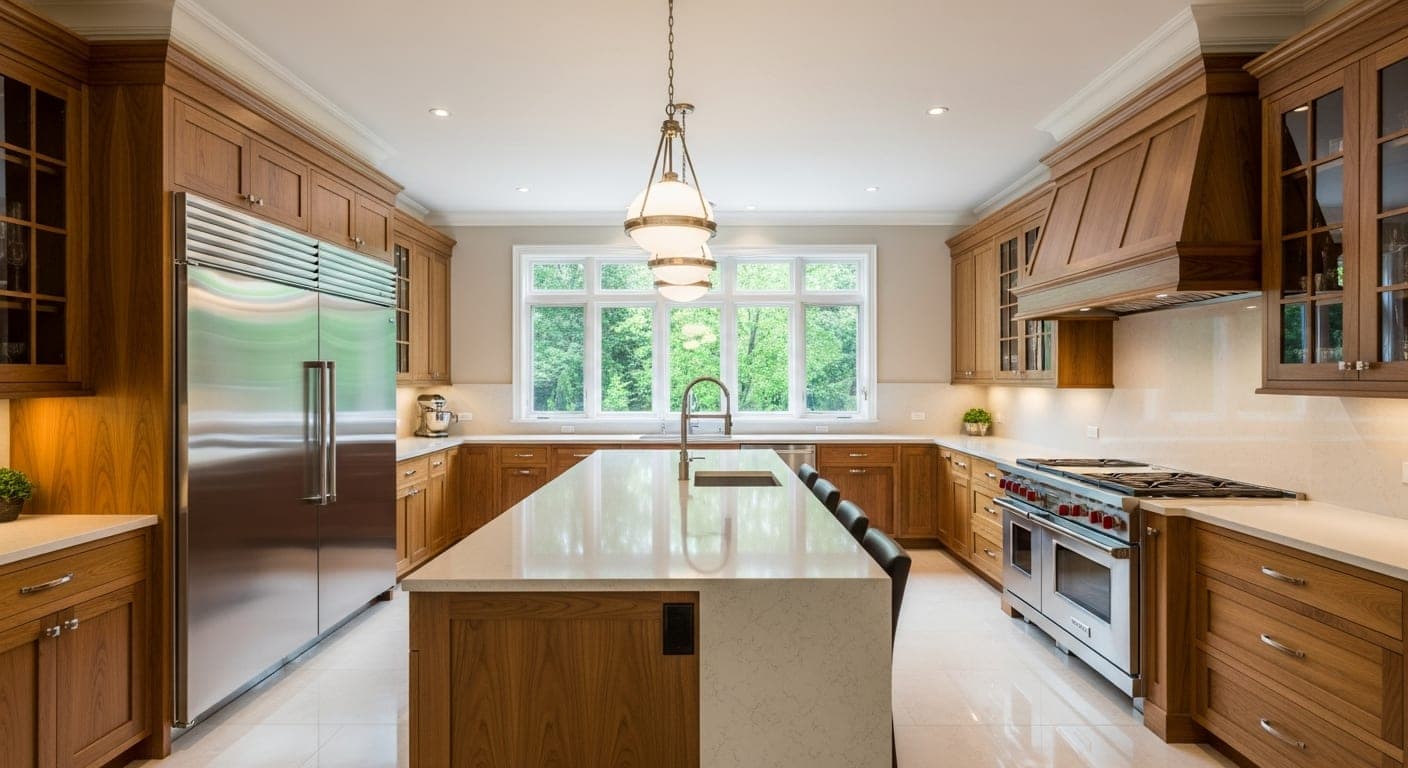
The U-shaped layout extends cabinetry along three walls, creating an enclosed workspace. It maximizes storage and counter space, making it ideal for serious home cooks who need room for multiple appliances and generous prep areas.
The U-shape works best in kitchens that are at least 10 feet wide. In narrower spaces, the facing cabinet runs can feel cramped, and the work triangle becomes too tight for comfortable movement. In appropriately sized rooms, however, the U-shape is exceptionally functional.
One consideration in Toronto homes is that U-shaped kitchens can feel closed off from adjacent living spaces. If an open-concept feel is important to you, a modified U-shape with a peninsula rather than a full third wall provides the storage benefits while maintaining a visual connection to the living or dining area.
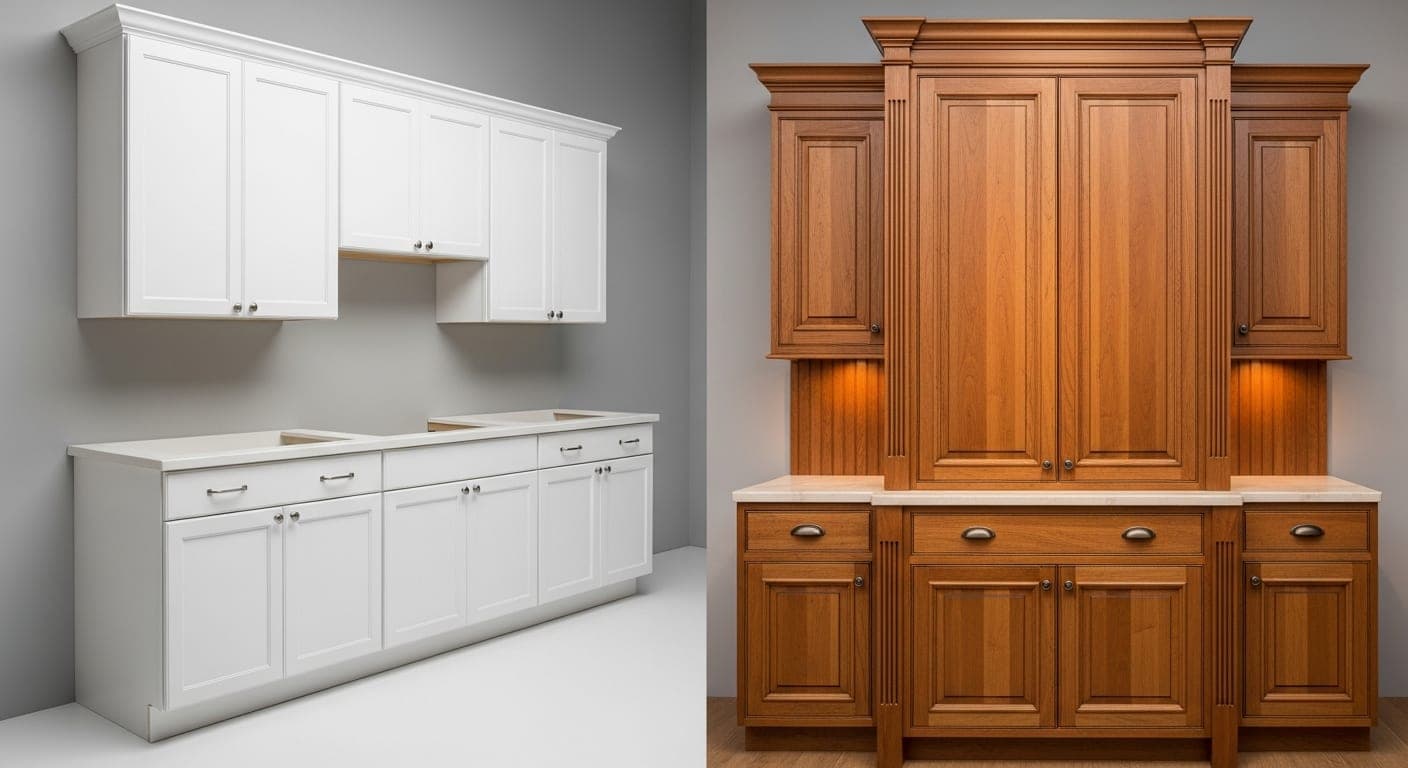
Custom cabinetry is particularly valuable in U-shaped kitchens because the corner cabinets at both turns of the U need to be designed carefully. Stock cabinets often waste the deep corner space. Custom solutions such as magic corners, pull-out shelving, or angled cabinets can reclaim this area and make it fully accessible.
Galley Kitchens
A galley kitchen places two parallel runs of cabinets along opposite walls with a corridor in between. It is the most space-efficient layout available, packing maximum storage and counter space into a minimal footprint.
Galley kitchens are common in Toronto's older housing stock, from Victorian row houses to mid-century apartment buildings. When well designed, they are remarkably functional. Professional chefs often prefer galley layouts because everything is within arm's reach, and the linear workflow minimizes unnecessary steps.
The key to a successful galley kitchen is corridor width. A minimum of 42 inches between opposing cabinet faces is recommended for a single cook. If two people regularly work in the kitchen, 48 inches or more is preferable.
For Toronto's narrowest homes, we use what we call the 'Dinner Plate Test'. We can offer narrower cabinet depths that are still specifically designed to fit a full-sized dinner plate. This allows us to save precious inches in tight Toronto semis while maintaining full functionality. Furthermore, if space doesn't permit a permanent island, we often design creative movable islands: custom carts on wheels that perfectly match the kitchen aesthetic and can be tucked away when not in use.
Why Galley Kitchens Work for Toronto Condos
Toronto's condominium market frequently presents compact floor plans where a galley kitchen is the only practical option. Rather than viewing this as a limitation, smart design can turn a galley kitchen into a highly efficient space.
Custom cabinetry allows every inch to be utilized. Full-height upper cabinets that extend to the ceiling eliminate the dust-collecting gap found with stock cabinets and add significant storage. Deep drawers in base cabinets replace traditional shelved cabinets, making contents more accessible. Narrow pull-out pantries, built to the exact width available, provide organized storage for spices, oils, and dry goods.
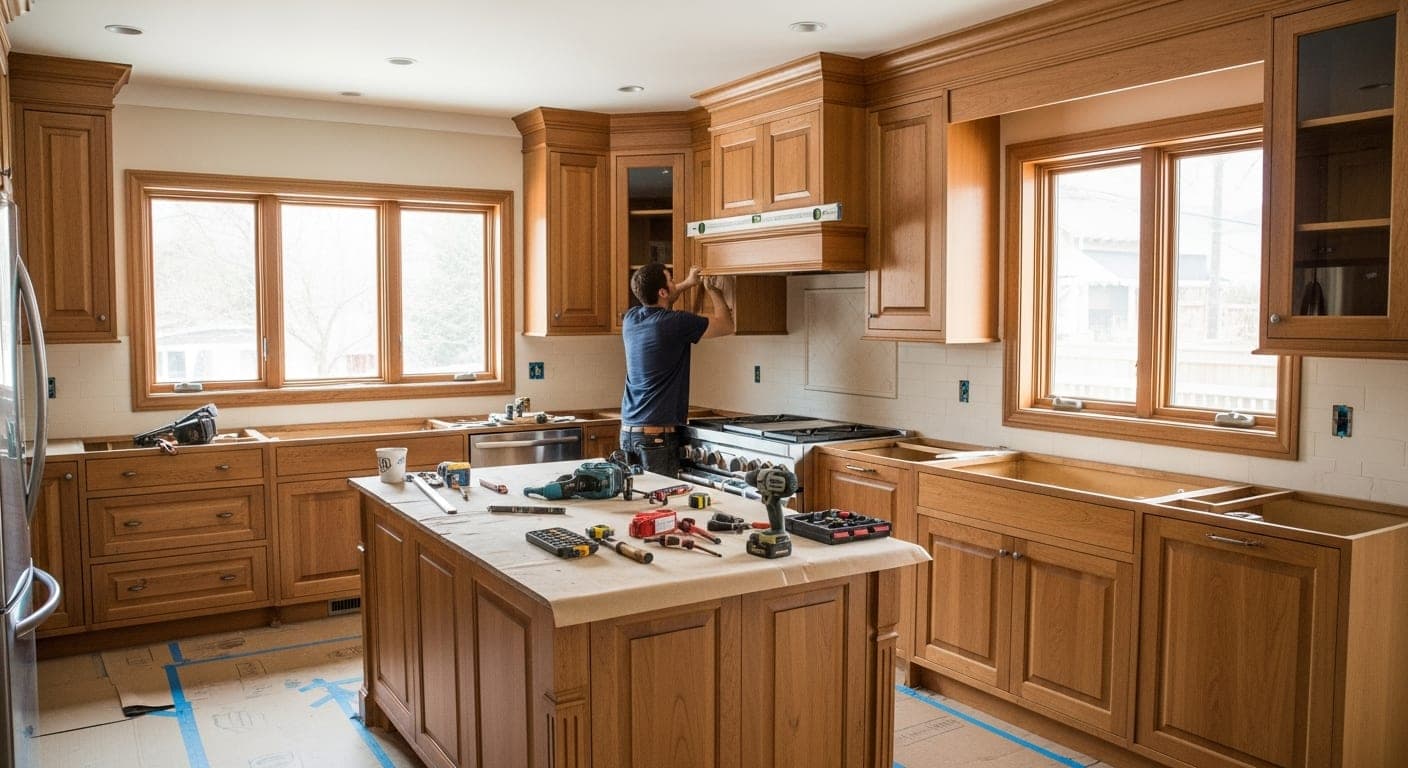
Condo renovations also involve working within building restrictions, including approved contractors, designated elevator booking for material delivery, and noise bylaws that limit work hours. An experienced cabinet maker with condo renovation experience understands these requirements and builds them into the project timeline.
Galley kitchens in condos present additional challenges that homeowners in detached houses rarely encounter. Many Toronto condo buildings restrict construction noise to weekday business hours, typically 9:00 a.m. to 5:00 p.m., with no work permitted on weekends or statutory holidays. This compressed work window extends the installation timeline and requires careful scheduling to ensure that every delivery and installation session is productive. Elevator bookings for material delivery must often be reserved days or weeks in advance, and some buildings limit the size of items that can be transported through common areas. Missing an elevator booking can delay a project by several days. Fire safety regulations in condos may also restrict the types of finishes and adhesives that can be applied on-site, which is one reason why factory-finished cabinetry from a local manufacturer is advantageous - the finishing is completed in a controlled spray booth before the cabinets ever enter the building.
Island Kitchens
A kitchen island adds a freestanding or anchored cabinet unit in the centre of the room. Islands serve multiple functions: additional prep space, casual dining with bar seating, extra storage, and a location for a secondary sink or cooktop.
To accommodate an island comfortably, the kitchen should have at least 42 inches of clearance on all sides of the island. This means the room generally needs to be at least 12 feet wide, assuming standard-depth perimeter cabinets. In practice, most Toronto homes that can accommodate an island have kitchens of 150 square feet or more.
Islands can be designed in almost any shape and size with custom cabinetry. A narrow island of 24 inches deep can work in a smaller kitchen where a standard 36-inch-deep island would restrict traffic flow. An oversized island in a large kitchen can incorporate a built-in wine fridge, microwave drawer, or dedicated baking station.
Material choices for the island are an opportunity to create a visual focal point. A contrasting finish or countertop material sets the island apart from the perimeter cabinetry and adds design interest. A walnut island in an otherwise white kitchen, for example, creates a warm, grounding anchor in the room.
Open-Concept Layouts
Open-concept kitchens that flow into the living and dining areas have been popular in Toronto renovations for years. This layout eliminates walls between rooms, creating a larger, more social space.
Open-concept layouts place extra demands on kitchen design because the cabinetry is visible from the living areas. Finishes, hardware, and organization must be considered with the entire sightline in mind. Upper cabinets on the peninsula or island side are often omitted to maintain the open feel, which means lower cabinets and drawers need to compensate with additional storage.
The transition between the kitchen and living space is often managed with an island or peninsula that serves as both a functional workspace and a visual divider. The back of the island, facing the living room, can incorporate open shelving, display niches, or a built-in bookcase that integrates the kitchen into the overall room design.
For Toronto homeowners considering an open-concept renovation, it is important to confirm whether the wall you intend to remove is load-bearing. Many Toronto homes have structural walls between the kitchen and dining room that require an engineer's assessment and a properly sized beam to replace. This is a structural matter that should be resolved before kitchen design begins.
Choosing the Right Layout for Your Space
The right layout is determined by the physical dimensions of your room, the location of windows and doors, plumbing and electrical access points, and how you use your kitchen. Here are some guiding principles.
Start with function. List your priorities. Do you need maximum storage? A large prep area? Seating for casual meals? Space for two cooks to work simultaneously? Your priorities should drive the layout rather than aesthetic trends.
Respect the work triangle. The distance between your sink, stove, and refrigerator should be efficient but not cramped. Each leg of the triangle should be between four and nine feet. The total perimeter of the triangle should not exceed 26 feet.
Account for traffic flow. In an open-concept home, the kitchen is often a thoroughfare between rooms. The layout should allow people to pass through without crossing the primary work zone.
Consider your home's architecture. A layout that works beautifully in a new-build suburban home may not translate to a Victorian row house or a high-rise condo. Work with the existing architecture rather than against it.
Consult an experienced designer. A kitchen designer who has worked extensively in Toronto understands the constraints of local housing types. They can identify opportunities you might miss and steer you away from layouts that will create problems. Browse a portfolio of completed projects to see how different layouts have been executed in homes similar to yours.
Custom cabinetry gives you the freedom to optimize any layout for your specific space. Whether you are maximizing a 60-square-foot condo kitchen or designing a 300-square-foot entertainer's dream, cabinets built to your exact dimensions eliminate the compromises that come with standard sizes.
Layout Considerations for Toronto Condos
Toronto's condominium market presents a unique set of layout challenges that deserve special attention. Condo kitchens are governed not only by the physical dimensions of the unit but also by building-specific regulations that affect every stage of a renovation.
Most condo buildings require homeowners to submit renovation plans for approval by the property management company or condo board before any work begins. This approval process can take two to six weeks and may include requirements for specific types of insurance, contractor licensing, and noise mitigation measures such as sound-dampening floor underlayment. Planning for this approval timeline is essential to avoid delays once your cabinets are ready for installation.
Plumbing and electrical modifications in condos are often more constrained than in detached homes. Moving a sink or adding an electrical outlet may require access to shared building systems, which can involve additional approvals and coordination with the building's maintenance team. A layout that works within the existing plumbing and electrical locations will be faster and less expensive to execute than one that requires significant relocation.
Ventilation is another condo-specific consideration. Many condo buildings do not permit venting to the exterior, which means range hoods must use recirculating systems rather than ducted exhaust. This affects the placement and type of ventilation equipment and should be factored into the layout design from the beginning.
For all of these reasons, working with a cabinet maker who has extensive condo renovation experience is particularly valuable. Apico has completed hundreds of condo kitchen projects across the GTA and understands the regulatory, logistical, and design challenges that each building type presents. From navigating building approval processes to scheduling deliveries around elevator bookings, this experience translates directly into a smoother, more predictable renovation for condo homeowners.
Exploring layout options for your Toronto kitchen? Request a free consultation to discuss your space and see how a custom kitchen can make the most of your floor plan.